A Modern Approach to Treating Persistent Neuropathic Pain
This procedure is commonly used for patients suffering from neuropathic conditions such as diabetic neuropathy, post-laminectomy syndrome (persistent pain after back surgery), and complex regional pain syndrome (CRPS). At its core, SCS empowers patients with the ability to better manage their pain, improve their quality of life, and regain the freedom to engage in everyday activities. Specialists trained in interventional pain management can determine whether this minimally invasive technique is right for you.
Neuropathic pain results from damage or dysfunction in the central nervous system (the brain and spinal cord) or the peripheral nervous system (nerves outside the spinal column). This type of pain often manifests as stabbing, burning, or tingling sensations, and even light touch can trigger extreme discomfort. Patients might feel intense pain from minor stimuli like a soft brush on the skin or experience heightened reactions to pinpricks or pressure. Spinal cord stimulation works by delivering low-level electrical impulses to the spinal cord through an implanted device. These pulses disrupt pain signals before they reach the brain, replacing them with a gentler, tingling sensation called paresthesia. Each patient experiences paresthesia differently, but many describe it as soothing and far more tolerable than their original pain.
How Does the Procedure Work?
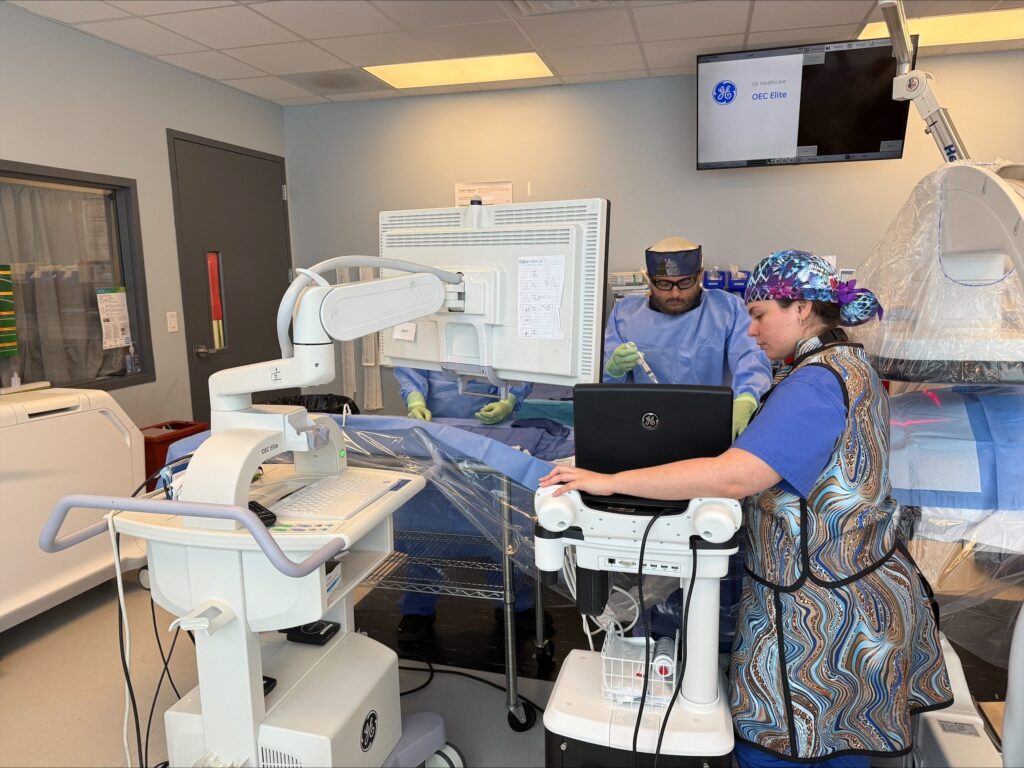
The journey with SCS begins with a trial phase. A temporary device is placed to test the effectiveness of the therapy in controlling your pain. During this outpatient procedure, a local anesthetic is used to numb the targeted area.
Thin electrical leads are then inserted into the epidural space of the spine using a needle. These leads are connected to an external pulse generator that emits the electrical signals. This trial phase lasts from a few days to a week, giving you time to evaluate how well the therapy manages your pain in real-life settings—while you walk, sit, work, or sleep. Patients are encouraged to record their experiences during this period to help physicians make informed decisions.
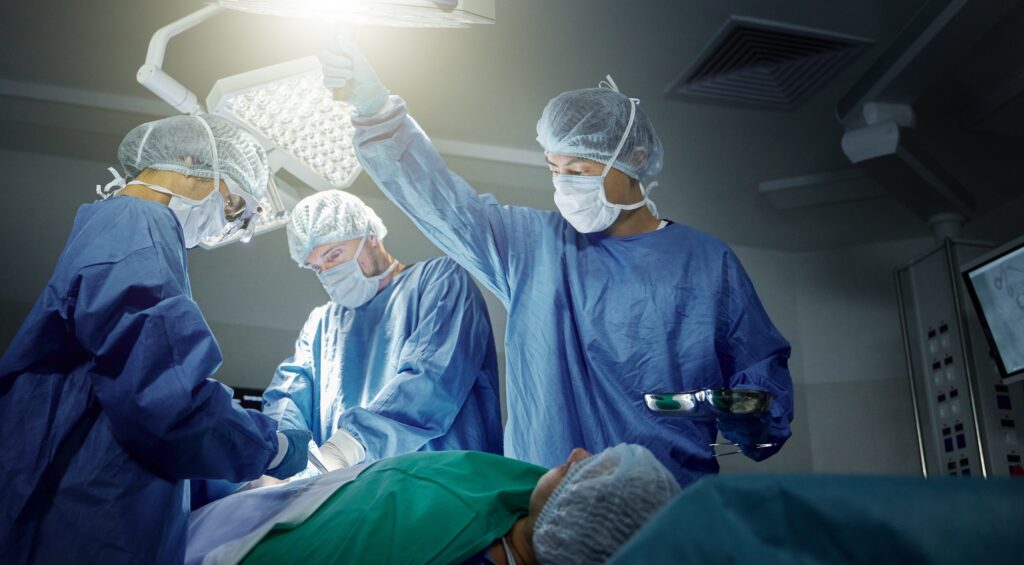
If the trial is successful, and both you and your doctor agree, youll move forward with the implantation of a permanent SCS system. This long-term device is also placed during an outpatient procedure, generally taking about two hours.
With a small remote, youll have control over your device, allowing you to adjust the intensity or turn the stimulation on and off depending on your pain levels. Many patients appreciate the flexibility it offers as they go about their daily routines—including work, exercise, gardening, and even swimming.
The Advantage of Reversibility
While referred to as a permanent implant, SCS systems are fully reversible. If at any point the treatment no longer proves beneficial, the device can be removed without lasting effects. Many patients also report a significant reduction or complete elimination of their dependence on pain medications, offering another compelling advantage of this therapy.
What to Expect
The trial procedure typically lasts 30 to 45 minutes, followed by a brief recovery observation. If successful, the permanent device placement occurs at a later date in a surgical outpatient center. The surgical portion of the treatment generally requires about two hours.
Results and Benefits
Clinical research shows that spinal cord stimulation can provide 50% to 70% pain reduction in up to 90% of treated patients. In addition to significant pain relief, many patients report improved sleep, reduced stress, and enhanced participation in social, work, and family activities. The psychological and emotional impact of gaining back control from chronic pain can be life-changing. Speak with a board-certified pain management physician to learn whether SCS is the right solution for your chronic pain. Together, you can explore a treatment plan that restores both comfort and independence.
Take the First Step Toward Better Health
Connect with Rao Clinic today and begin your journey to complete, expert-led care tailored to your needs — all in one place.